Caitlin Clark Groin Injury Update: Treatment Options and Return Timeline


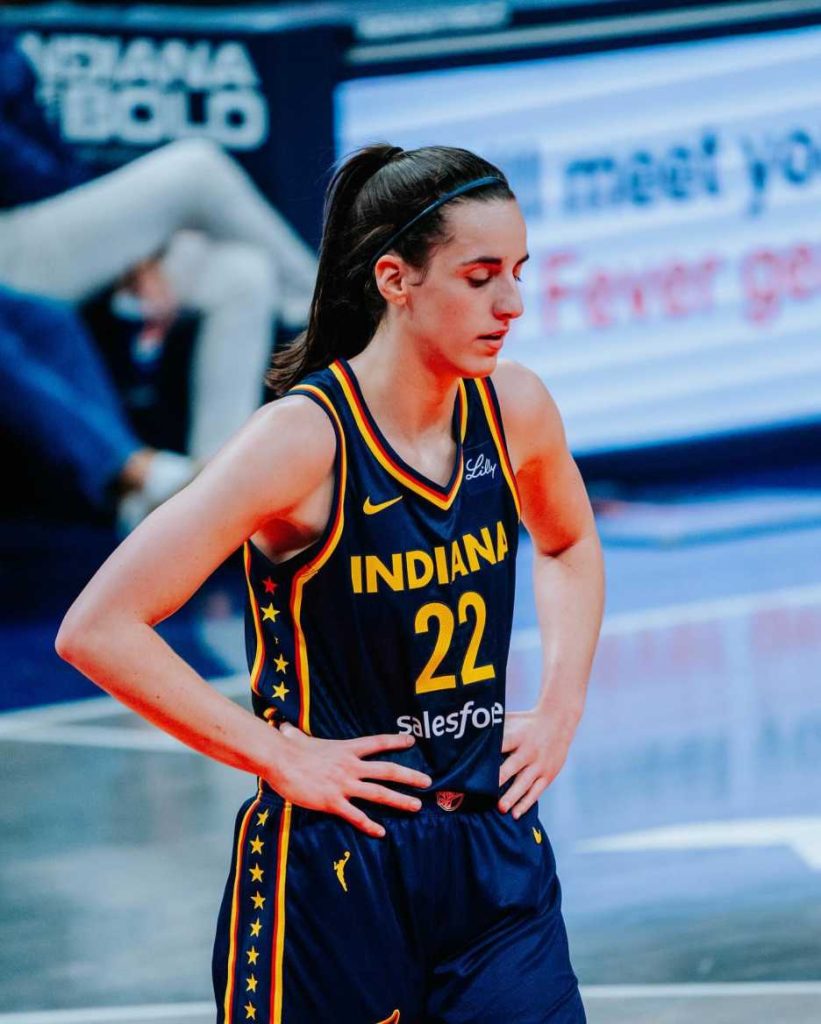
Caitlin Clark injured the adductor region of her groin during a WNBA game on July 15. Her team described the injury as “day-to-day,” but the time she has already missed shows how unpredictable groin strains can be. These injuries often look minor at first, but can keep athletes out of play longer than expected because of how the muscle heals and the demands of high-level competition.
Clark’s injury history this season includes a left quad injury, right groin injury, left groin injury, ankle injury, bone bruise, and left ankle issues. She has been sidelined for multiple games this season, missing 13 games this season and impacting her presence in the lineup and the games remaining for the Indiana Fever.
There is currently no projected return date for Clark, but she has returned to practice, participated in team activities, and practiced with the team. The coaching staff, including fever coach Stephanie White, want to see her in practice, including non contact drills, full court running, and multiple practices to build endurance and assess her from an endurance standpoint. Her recovery is moving in the right direction, but the status quo remains until she is fully healthy and ready to return as the star guard. She’s a key player for Indiana, and Clark’s return is highly anticipated as the team fights for a playoff spot.
Groin Injuries in Athletes
The Role of the Adductor Muscles
The adductor muscles run along the inside of the thigh and are responsible for pulling the leg inward, helping with balance, and controlling side-to-side motion. When one of these muscles is overstretched or torn, it results in a groin strain. For athletes like Caitlin Clark, whose game depends on sudden cuts, sharp changes of direction, and explosive moves, the adductors play a central role, which is why even a small tear can have a big impact.
How Doctors Grade Groin Strains
Doctors classify groin strains into three grades based on how many muscle fibers are torn. A Grade 1 strain involves a small tear, leading to mild pain but usually allowing some activity. A Grade 2 strain is more serious, with greater muscle damage, noticeable weakness, and difficulty with daily or athletic movements. A Grade 3 strain is the most severe, involving a near-complete or complete tear of the muscle, and this often requires surgery to repair. Understanding the grade helps set realistic expectations for treatment and recovery.
Diagnosis and Imaging
A doctor begins with a physical exam, checking for tenderness, pain with resisted movement, loss of strength, and reduced flexibility. If the diagnosis is unclear or the athlete is not improving, imaging such as ultrasound or MRI is used to confirm the extent of the damage. MRI in particular is helpful because it shows not only the size of the tear but also whether there is associated damage to tendons or surrounding tissue.
Why Recovery Often Takes Longer Than Expected
Phases of Muscle Healing
Muscle healing happens in stages, beginning with inflammation, followed by tissue repair, and finally remodeling. During the early phase, the body clears damaged cells and starts forming new tissue. In the repair stage, new muscle fibers are created, but are weak and disorganized. The remodeling stage strengthens these fibers and aligns them so the muscle can function normally again. This process cannot be rushed, which is why even a “minor” groin strain often sidelines an athlete for weeks rather than days.
Factors That Slow Recovery
Healing can be slowed by limited blood flow to the injured area, which reduces the supply of oxygen and nutrients needed for repair. Scar tissue may also form, making the muscle less flexible and more prone to re-injury. Returning to intense training too soon can stretch the healing fibers and cause another tear. This is why sports medicine doctors carefully progress athletes through rehab, gradually increasing the load on the muscle to avoid setbacks.
Typical Timeframes
Most athletes begin to notice improvement in the first two weeks, but true recovery usually takes longer. A mild strain may allow return in three weeks, while a moderate one often takes four to six weeks. Severe tears can take months before an athlete regains full strength and confidence. These timeframes are averages, but they highlight how variable recovery can be, especially in professional sports where the demands are much higher.
Treatment Options for Groin Injuries
Standard Care Approaches
The first step in treatment is rest from painful activities and basic pain management. Early rehab focuses on gentle movements to maintain flexibility and controlled exercises like isometric contractions that keep the muscle active without causing strain. As symptoms improve, the program shifts to strengthening the adductors and building hip and core stability. A gradual progression from low-load exercises to sport-specific drills is critical because going too fast raises the risk of re-injury.
Class IV Laser Therapy
Class IV laser therapy uses light energy to stimulate cellular repair deep within the tissue. The light increases the production of energy within cells, which can speed up healing and reduce inflammation. Treatments are quick, painless, and non-invasive, making them appealing for athletes who want to support their rehab. While laser therapy is not always a replacement for structured rehab, it can help reduce pain and allow patients to advance through their exercises more smoothly.
Radial Pressure Wave Therapy (Shockwave)
Radial pressure wave therapy delivers acoustic energy into the injured tissue, improving blood flow, stimulating cell repair, and breaking down stiff scar tissue. Unlike focused shockwaves, which targets a small area, radial therapy spreads energy across a broader region, which can be useful for muscular injuries. Many athletes report reduced pain and improved mobility after several sessions. For groin-related injuries, this therapy can shorten the recovery timeline when combined with rehab, helping players return to full activity in a safer and more predictable way.
Combining Treatments in Practice
Effective treatment rarely relies on one method alone. In our experience, athletes recover best when standard rehab is combined with supportive therapies like laser or shockwave. The foundation is still progressive, with loading and careful monitoring of strength, flexibility, and pain. Adding modalities like these can ease discomfort and speed tissue repair.
Expected Recovery Timeline for Caitlin Clark
Timeframes for Different Grades
Minor groin strains often heal within one to three weeks, while moderate strains typically take three to six weeks. Severe injuries can require two to three months or more. These numbers reflect average healing times but do not guarantee when a player can compete again, since every recovery is influenced by the player’s body, workload, and rehab plan.
Criteria for Safe Return
A safe return to sport is based less on the calendar and more on meeting physical milestones. Doctors look for full range of motion, equal strength compared to the uninjured side, and the ability to perform sport-specific drills without pain. Only when all these markers are met is it considered safe to return to play.
What This Means for Caitlin Clark
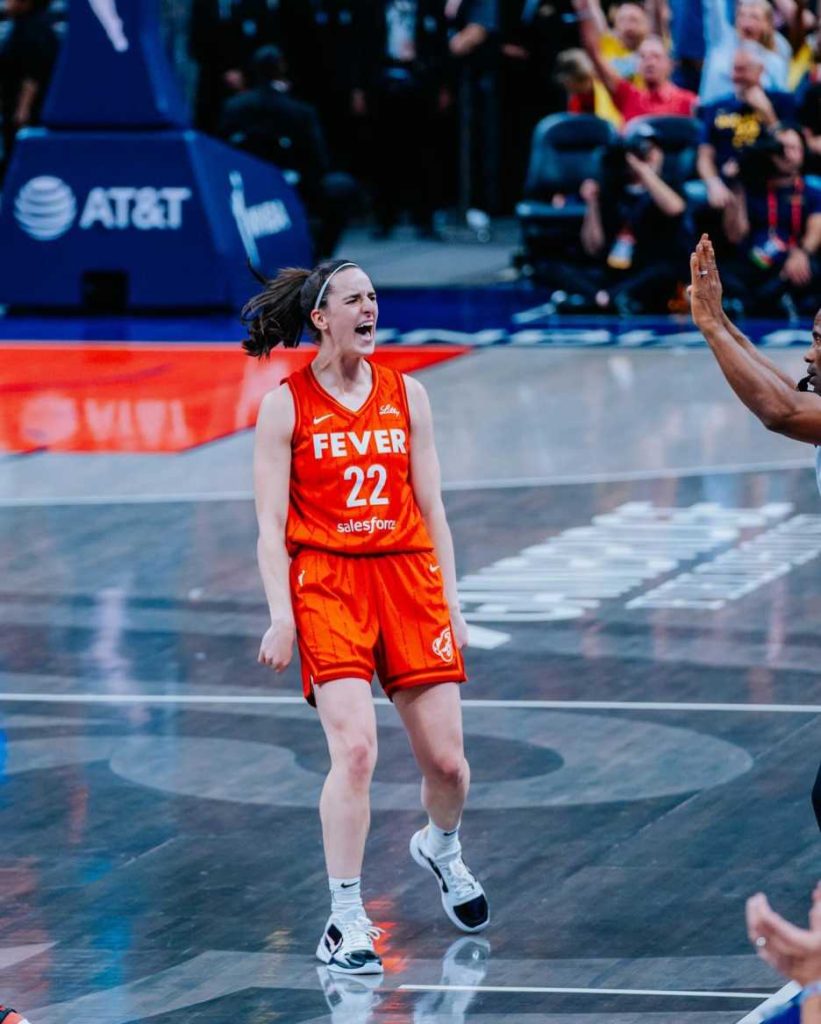
Given that Caitlin’s injury occurred on July 15, a realistic return window would be mid- to late August if her strain is moderate. If her tear was more severe, her absence could extend further. While her timeline remains uncertain, following a structured rehab plan with supportive therapies gives her the best chance at a full and safe return.
Thoughts on Caitlin Clark’s Injury
The Caitlin Clark injury highlights how groin strains can impact both mobility and recovery timelines. We covered how these injuries occur, the symptoms that suggest severity, and the treatment options available. Conservative care, such as rest and physical therapy, plays an important role, but advanced treatments can shorten recovery and improve long-term outcomes.
We also explained why accurate diagnosis matters and how return-to-play decisions depend on both healing progress and functional strength. For athletes, proper management reduces the chance of reinjury and helps restore performance levels. The key point is that with the right approach, even difficult groin injuries can be managed effectively.
Why Choose Meier Orthopedic Sports Medicine
At Meier Orthopedic Sports Medicine, we specialize in treating groin injuries using a combination of Class IV laser therapy and shockwave therapy. These treatments work together to reduce inflammation, improve circulation, and speed up tissue repair without relying on surgery or pain medications. Many of our patients, from athletes to everyday active individuals, have experienced faster recovery and long-term relief with this approach.If you’re dealing with a groin injury or ongoing pain, we’re here to help. Contact us today to book an appointment and start your recovery with the most effective, non-invasive treatments available.